

Hey there, fellow dog lovers! I’m Jake, and over the past 20 years, my life has been wonderfully shared with a goofy Labrador, a fiercely loyal German Shepherd, and currently, a mischievous but loving Boxer mix named Duke. One lesson rings true across every breed, size, and age: training dogs not to bite is absolutely non-negotiable. It’s about safety, harmony, and ensuring your furry friend can be a confident, well-adjusted member of society.
Whether it’s the innocent (but sharp!) needle-teeth of a puppy exploring the world, playful mouthing that escalates, or fear-based reactions in an older dog, biting behavior needs gentle, consistent guidance. Let’s break down how to achieve that.
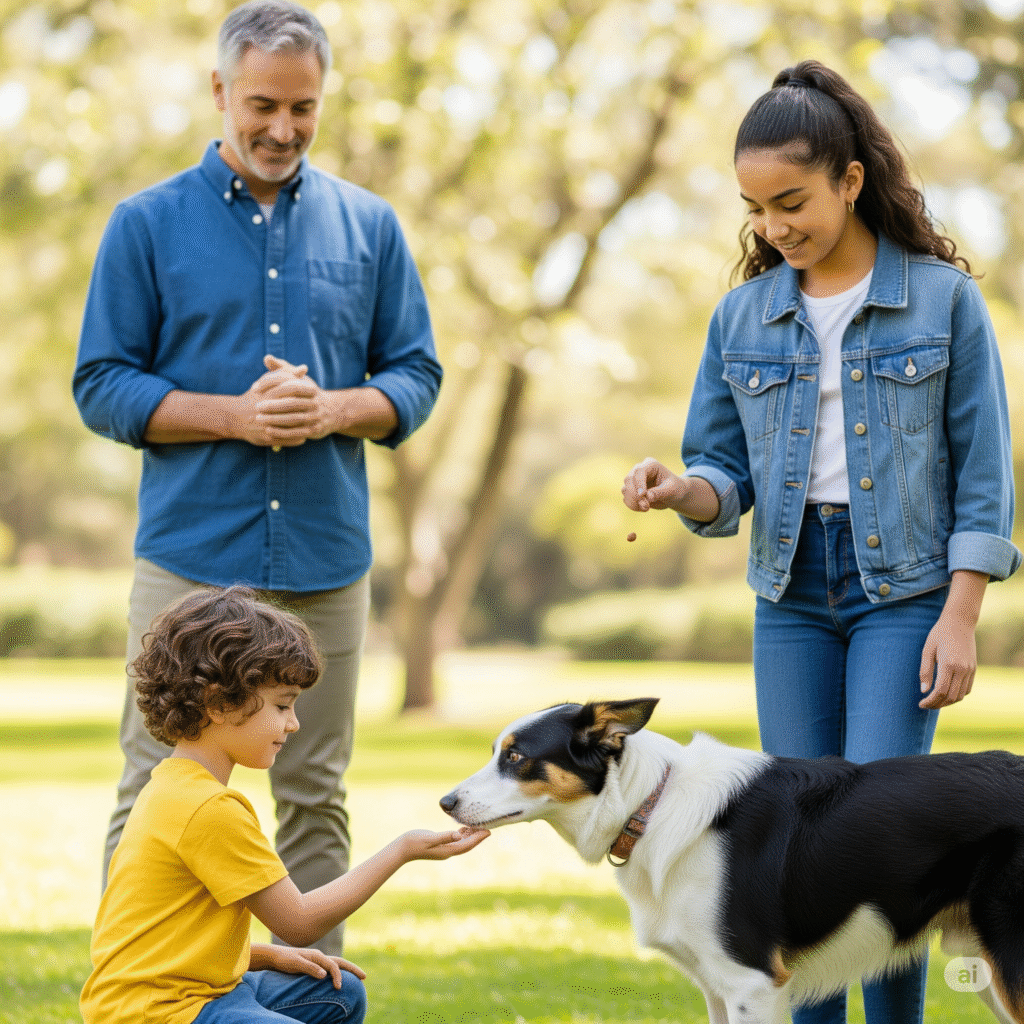
Why Training Dogs Not to Bite is Crucial:
- Safety First: Preventing injury to people (especially children), other pets, and even yourself.
- Legal Protection: Dog bites can have serious legal and financial consequences.
- Stress Reduction: A dog that knows bite inhibition is less anxious and more predictable.
- Stronger Bond: Training builds trust and communication between you and your dog.
- Public Acceptance: Ensures your dog is welcome in more places and situations.
Understanding the “Why” Behind the Bite:
Before we dive into solutions, understand the root cause:
- Puppy Teething & Exploration: Mouthing is how puppies learn about their world and relieve gum pain (approx. 3-6 months).
- Play Behavior: Dogs naturally use their mouths in play with each other. They need to learn humans are more fragile!
- Fear/Anxiety/Stress: A scared dog may bite defensively if they feel cornered or threatened.
- Possessiveness (Resource Guarding): Guarding food, toys, or space.
- Predatory Instinct: Chasing and grabbing moving objects (like feet or joggers).
- Pain or Discomfort: A dog in pain may bite if touched in a sensitive area.
Your Step-by-Step Guide to Training Dogs Not to Bite
Phase 1: The Puppy Foundation (Bite Inhibition)
- The Yelp & Redirect: When puppy teeth touch skin, let out a high-pitched “OUCH!” or yelp (mimicking a littermate). Immediately stop play, turn away for 10-15 seconds. Then, redirect their mouth onto an appropriate chew toy. Praise enthusiastically when they chew the toy! Consistency here is VITAL.
- Time-Outs: If yelping excites them more or they persist, calmly say “Too bad!” and put them in a brief (30-60 sec), boring time-out (like a playpen). Teaches them biting = fun stops.
- Provide Ample Chew Toys: Have a variety of textures readily available. Rotate them to keep interest high. Crucial for teething!
Phase 2: Curbing Playful Mouthing & Nipping (All Ages)
- Consistent “Off” or “No Bite”: Use a clear, calm command the instant teeth make contact. Follow with redirection to a toy.
- Teach “Leave It”: An invaluable command for preventing bites towards objects or people. Start with low-value items and build up. Reward heavily for compliance.
- Manage Arousal: Over-excited play often leads to mouthing. If play gets too rowdy, initiate a calm break. Teach a solid “Sit” or “Down” as an incompatible behavior.
- Reward Gentle Play: Lavish praise and treats when your dog interacts with hands or clothing gently. Mark the behavior you want!
Phase 3: Addressing Fear, Anxiety, or Aggression
- Identify Triggers: What specifically causes the reaction? Strangers? Other dogs? Being handled? Loud noises?
- Avoid Triggers (Initially): Prevent rehearsal of the biting behavior while you work on training.
- Counter-Conditioning & Desensitization (CC&D): This is gold. Gradually expose your dog to the trigger at a low intensity (where they notice but don’t react fearfully) and pair it with something amazing (high-value treats). Very slowly decrease distance/increase intensity only as your dog remains comfortable. Seek professional help for this – it’s nuanced!
- Respect Their Space: Never force a fearful dog into an interaction. Teach children how to interact safely (no hugging, leaning over, bothering while eating/sleeping).
- Vet Check: Rule out underlying pain or medical issues causing irritability.
Essential Tools for Training Dogs Not to Bite (Available on Amazon)
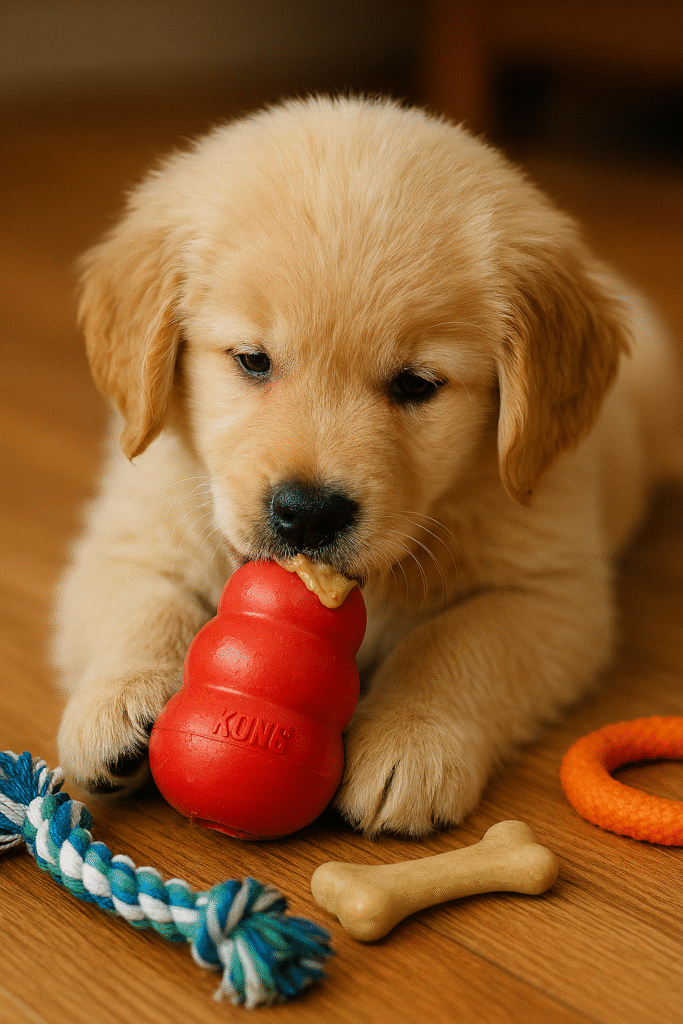
- Durable Chew Toys (Redirect & Teething Relief):
- KONG Classic Dog Toy: Stuff with kibble, peanut butter (xylitol-free!), or yogurt and freeze. Provides long-lasting, appropriate chewing. (Amazon Link)
- Nylabone Dura Chew Textured Dog Chew: Satisfies the need to gnaw with different textures. Choose the appropriate size/hardness. (Amazon Link)
- Benebone Wishbone: Ergonomic design, real-flavored, very durable for power chewers. (Amazon Link)
- Training Treats (High-Value Rewards):
- Zuke’s Mini Naturals Training Treats: Small, soft, smelly, and perfect for rapid rewards during training sessions. (Amazon Link)
- Freeze-Dried Liver Treats (e.g., Stewart Pro-Treat): Irresistible to most dogs, great for high-distraction or CC&D work. (Amazon Link)
- Training Aids:
- Clicker: Marks the exact moment of desired behavior (like gentle play or ignoring a trigger) for clear communication. (Amazon Link)
- Puzzle Feeders/Toys: Mentally tires your dog, reducing boredom-related nipping (e.g., Outward Hound Nina Ottosson puzzles). (Amazon Link )
- Leash & Harness (for Management): Essential for safely managing dogs around triggers during CC&D. A front-clip harness can offer more control. (Amazon Link)
When to Call a Professional:
If your dog’s biting is:
- Breaking skin or causing bruising.
- Accompanied by intense growling, lunging, or stiff body language.
- Fear-based or seemingly unprovoked.
- Resource guarding related.
- Not improving with consistent home training.
DO NOT HESITATE. Seek a qualified, force-free Certified Professional Dog Trainer (CPDT-KA) or a Veterinary Behaviorist (DACVB). They provide personalized plans and ensure safety.
The Takeaway: Patience, Consistency, and Love
Training dogs not to bite is a journey, not an overnight fix. It requires understanding, patience, unwavering consistency, and a whole lot of positive reinforcement. Celebrate the small victories – a softer mouth, choosing a toy over your hand, calmly observing a trigger from a distance. By investing in this essential training, you’re giving your dog the priceless gifts of safety, confidence, and a lifetime of harmonious companionship.
What are your biggest challenges with training dogs not to bite? Share your experiences and tips in the comments below!